Skeletons in the Closet: The Chi Alpha Scandal and the Crisis of Accountability in the Church
Prelude: Why I Speak Out
There are moments when silence stops being wisdom and starts becoming complicity.
One of the hardest realities to wrestle with in church culture is how often people who know something is wrong choose to remain quiet because speaking up feels costly. Sometimes it is the fear of losing relationships. Sometimes it is fear of criticism, misunderstanding, or backlash. Sometimes it is the pressure to “protect the church” or “not cause division.”
But at some point, we have to ask ourselves a difficult question:
If those who recognize wrongdoing refuse to speak, then who will stand for the people who have been harmed?
If those who know the difference between right and wrong remain silent when vulnerable people are being ignored, manipulated, spiritually wounded, or silenced themselves, what does that say about the condition of the Church?
This is one of the reasons I speak out.
Not because I hate the Church.
Not because I want to tear ministries down.
And not because I believe every pastor or leader is corrupt.
I speak because I love the Church enough to want to see her healthy, honest, accountable, and spiritually whole again.
Too often within Christian culture, exposing serious sin or institutional failure is automatically labeled as “division,” “gossip,” “bitterness,” or “attacking God’s anointed.” But biblically, that is not always true. Scripture actually makes a distinction between malicious division and righteous exposure for the purpose of repentance, justice, and restoration.
Ephesians 5:11 says:
“Have nothing to do with the fruitless deeds of darkness, but rather expose them.”
In context, Paul is not encouraging self-righteousness, public shaming, or reckless accusations. He is calling believers to walk in the light and refuse participation in hidden sin and corruption. The purpose of exposure in Scripture is not destruction for destruction’s sake. The purpose is bringing darkness into the light so repentance, cleansing, healing, and restoration can occur.
Likewise, James 4:17 says:
“If anyone, then, knows the good they ought to do and doesn’t do it, it is sin for them.”
That verse is often quoted broadly, but in context it speaks to the danger of knowing what is right while refusing to act. There are moments where remaining silent is not neutrality. It becomes participation through omission.
Even Jesus Himself publicly confronted religious leaders who abused authority, manipulated people spiritually, and prioritized institutional image over justice and mercy. Some of Christ’s strongest rebukes were not directed toward broken sinners seeking healing, but toward religious leaders who outwardly appeared righteous while inwardly protecting corruption.
None of this means accusations should be careless, reckless, or devoid of grace. Truth matters. Due process matters. Humility matters. But accountability matters too.
The Church does not become pure by hiding sin.
The Church becomes healthy when darkness is brought into the light, when repentance is genuine, when victims are protected, and when truth matters more than reputation.
That is why conversations like this matter.
Not to destroy the Bride of Christ…
…but because many of us long to see her healthy again.
How the Chi Alpha Scandal Became a National Conversation

Chi Alpha Campus Ministries has operated on college campuses across the country for decades, focusing on discipleship, evangelism, and student community.
For many people, the church has always represented safety.
It is supposed to be the place where truth is honored, where broken people find healing, where leaders are held to a higher standard, and where communities reflect the character of Christ. Campus ministries, especially, are often viewed as environments where young adults can grow spiritually during some of the most formative years of their lives.
That is what makes the ongoing controversy surrounding Chi Alpha Campus Ministries and the Assemblies of God USA so deeply unsettling for many Christians.
What began as allegations connected to Daniel Savala, a convicted sex offender and former missionary associate tied to Chi Alpha, has grown into a national conversation about institutional protection, spiritual authority, accountability, and the dangerous culture that can develop when preserving a ministry’s reputation becomes more important than protecting people.
And for many observers, the most disturbing part is not simply that abuse allegations emerged within a religious organization. Human failure can exist anywhere. The deeper concern is how religious institutions sometimes respond once those allegations become public.
Because in situations like this, the question is no longer simply:
“What happened?”
The question becomes:
“What was done once people knew?”
The Allegations and the Growing Fallout
Chi Alpha has spent decades building a strong presence on college campuses across the country. The ministry has influenced thousands of students and produced pastors, missionaries, worship leaders, and church staff members. Many former students still speak positively about the spiritual impact Chi Alpha had on their lives.
But alongside those positive experiences, disturbing allegations have surfaced involving failures in oversight, accountability, and protection.
According to lawsuits, investigative reports, and survivor testimony, concerns connected to Daniel Savala and individuals within his circle allegedly existed long before the situation gained widespread public attention. Critics argue that warning signs were missed, minimized, or insufficiently addressed despite multiple opportunities for intervention.
As investigations expanded, the controversy eventually contributed to the resignation of former Chi Alpha National Director Scott Martin and intensified scrutiny surrounding denominational leadership and organizational culture.
The situation quickly became about more than one individual. It exposed larger concerns about how churches and ministries handle accusations involving influential leaders and trusted institutions.
When Institutions Go Into Protection Mode
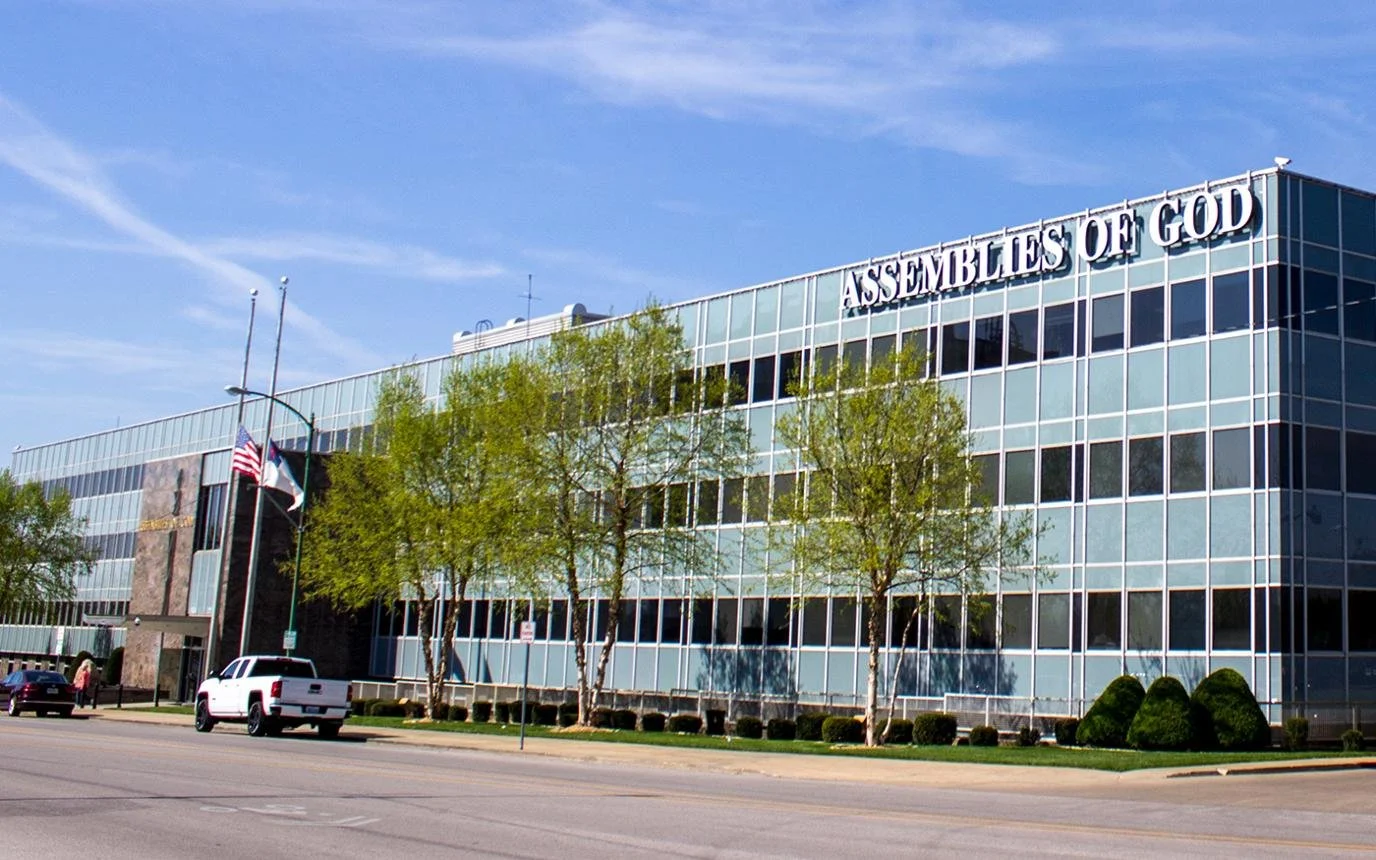
The controversy surrounding Chi Alpha has raised broader questions about transparency, accountability, and institutional culture within the Assemblies of God.
One of the clearest themes emerging from the Chi Alpha controversy is the tension between protecting people and protecting the institution itself.
When abuse allegations surface inside religious organizations, leadership often faces enormous pressure. There are concerns about public reputation, financial consequences, declining trust, legal exposure, and damage to the ministry’s image.
Unfortunately, that pressure can sometimes push organizations into self-preservation mode.
Instead of prioritizing transparency, accountability, and victim care, the focus subtly shifts toward controlling narratives, limiting fallout, and defending leadership credibility.
That is where cover-up culture often begins.
Not necessarily through elaborate conspiracies, but through a gradual institutional instinct to protect the ministry at all costs.
And ironically, organizations often convince themselves they are protecting “the witness of Christ” when they are actually protecting the reputation of the institution.
The Spiritualizing of Criticism
One of the most controversial aspects of the Chi Alpha situation involved how some leaders framed criticism and legal action connected to the allegations.
According to reporting from The Roys Report, a letter written in support of Savala described the accusations against him as an “absolute attack of the devil on his life” driven by “angry and bitter” individuals.
For many Christians, survivors, and advocates, statements like these were deeply alarming.
Why?
Because when abuse allegations are framed primarily as spiritual warfare, persecution, or attacks from Satan, the emotional focus of the conversation changes.
Instead of asking:
Were vulnerable people harmed?
Did leadership fail to act responsibly?
What safeguards failed?
How do we protect people moving forward?
the discussion becomes centered on defending the ministry from its critics.
This creates a dangerous dynamic where questioning leadership can begin to feel spiritually disloyal.
People who raise concerns may suddenly be viewed as:
divisive,
rebellious,
bitter,
lacking grace,
or harmful to the church.
In environments like this, survivors and whistleblowers often become afraid to speak honestly because telling the truth feels like betraying the ministry itself.
That fear is one of the primary ways unhealthy systems survive for years.
The Legal Fight Over Transparency
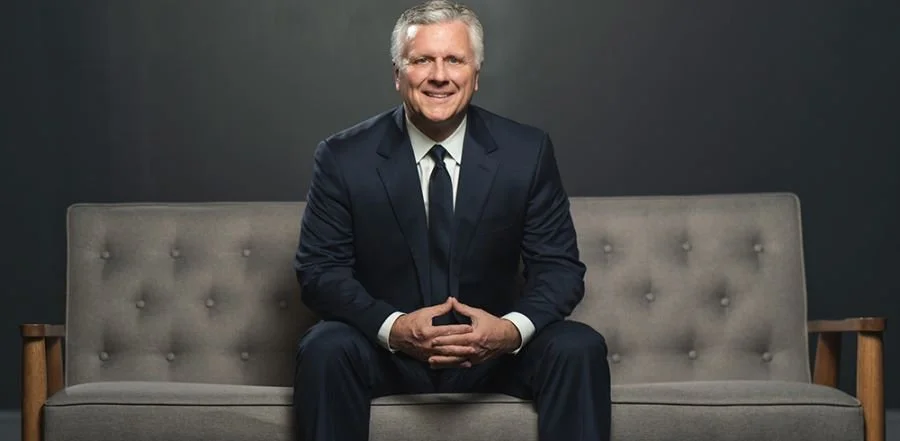
Doug Clay, General Superintendent of the Assemblies of God, was reportedly ordered to be deposed as part of the ongoing legal proceedings connected to the Chi Alpha lawsuits.
As lawsuits surrounding Chi Alpha continued, scrutiny increasingly turned toward denominational leadership and the broader Assemblies of God structure.
According to reporting from The Christian Post, attorneys representing the Assemblies of God attempted to stop General Superintendent Doug Clay from being deposed in connection with the lawsuits tied to Chi Alpha. Additional reports from MinistryWatch noted efforts to limit depositions involving other key leaders, including former Chi Alpha National Director Scott Martin and General Secretary Donna Barrett.
More recently, courts reportedly ruled that Doug Clay could in fact be deposed as part of the ongoing legal proceedings.
For many observers, this intensified concerns surrounding transparency and accountability.
To be fair, organizations commonly defend themselves during litigation, and legal caution alone does not prove wrongdoing. However, abuse cases involving spiritual authority often carry a different moral weight in the eyes of many Christians.
People expect churches to model humility, honesty, repentance, and openness — especially when vulnerable individuals may have been harmed.
And when organizations appear resistant to examination, even legally, it can create the perception that institutional protection is being prioritized over truth.
Exposure Is Painful — But Sometimes Necessary
One of the hardest realities for Christians to wrestle with is that exposure often feels devastating in the moment.
When scandals surface, many believers fear what it will do to the Church’s witness. People worry about public perception, declining trust, damaged reputations, and the pain that comes when spiritual leaders fail.
But biblically speaking, exposure is not always evidence that God has abandoned His Church.
Sometimes, exposure is evidence that God is cleansing it.
Scripture repeatedly shows that God confronts hidden sin among His people not to destroy them, but to purify them. Throughout both the Old and New Testaments, the Lord consistently exposes corruption, hypocrisy, abuse of power, and spiritual compromise among spiritual leaders.
Not because He hates His Church.
But because He loves her too much to leave her sick.
Ephesians 5 describes Christ sanctifying and cleansing His Church so that she may become holy and without blemish. That process of purification is often painful because anything hidden in darkness resists being brought into the light.
Unfortunately, many church cultures have unintentionally taught believers that exposing sin harms the Church. In reality, unrepentant hidden sin is what harms the Church most deeply.
Exposure may damage reputations temporarily.
But concealed corruption damages souls.
This is why genuine biblical accountability matters so much. The goal is not public humiliation, revenge, or the tearing apart of ministries. The goal is repentance, healing, justice, the protection of the vulnerable, and, ultimately, the restoration of integrity within the body of Christ.
Sometimes, the most loving thing God can do for His Church is to allow what was hidden to be revealed.
Because healing cannot happen where denial exists.
A Biblical Response Requires More Than Statements
The Assemblies of God has publicly acknowledged failures connected to Chi Alpha and discussed safeguarding reforms and policy changes. Some leaders within the denomination have openly admitted that accountability measures need improvement.
Those steps matter.
But for many survivors and advocates, the broader response has still felt incomplete.
Biblically, repentance involves far more than carefully crafted public statements issued after pressure mounts. True repentance includes confession, humility, accountability, truth-telling, and a willingness to face consequences.
Scripture consistently holds spiritual leaders to higher standards, not lower ones.
Jesus repeatedly confronted religious leaders who prioritized image and institutional preservation over justice and mercy. The New Testament calls believers to expose darkness rather than conceal it.
That is why many Christians believe the Church’s credibility is not preserved through damage control or narrative management.
It is preserved through truth.
The Human Cost of Institutional Defensiveness
One of the most heartbreaking realities in situations like this is how easily survivors become secondary to the institution itself.
When conversations revolve primarily around protecting the church, defending leadership, or preserving the ministry’s reputation, victims can begin feeling invisible.
Many survivors of church-related abuse already carry:
shame,
confusion,
spiritual trauma,
fear,
and self-doubt.
When they hear lawsuits or public exposure described as “attacks on the church” or “the enemy trying to destroy the ministry,” many begin wondering whether speaking up somehow makes them the problem.
That emotional and spiritual confusion silences people.
And silence is often where abuse survives the longest.
A Larger Problem Within Church Culture
The Chi Alpha controversy has exposed issues that extend far beyond one denomination or ministry.
Similar patterns have emerged across countless religious systems:
celebrity leadership culture,
lack of independent accountability,
loyalty networks,
image management,
premature restoration of fallen leaders,
and spiritual authority being used to suppress criticism.
These are not uniquely Pentecostal problems. They are human problems that can emerge anywhere institutions become more committed to preserving themselves than pursuing truth.
Over time, ministries can slowly drift from being communities centered on Christ into organizations focused primarily on survival, influence, and reputation.
And when that happens, protecting the brand can quietly become more important than protecting people.
Final Thoughts
The tragedy of the Chi Alpha scandal is not only that abuse allegations emerged within a Christian ministry.
The deeper tragedy is what happens when institutions respond defensively instead of transparently, when spiritual language is used to shield systems from accountability, and when protecting the ministry becomes more important than protecting vulnerable people.
Not every pastor, leader, or Chi Alpha staff member participated in wrongdoing. Many faithful leaders genuinely desire integrity within the Church.
But controversies like this force Christians to wrestle honestly with uncomfortable realities that can no longer be ignored.
Because the credibility of the Gospel is not protected by hiding sin.
It is protected through truth, repentance, humility, justice, and accountability.
And perhaps the most important question this situation leaves behind is this:
Are churches more committed to protecting their reputation — or allowing God to purify His Church through truth no matter the cost?
Sources & References
The following reporting, investigations, and articles were referenced throughout this article for research, context, and factual background surrounding the Chi Alpha and Assemblies of God controversy:
The Roys Report – Texas Dad Sues Assemblies of God, Allegedly Allowing Abuse by Chi Alpha Leaders
The Roys Report – South Texas Assemblies of God Leader Says Victims’ Lawsuit Is “Work of the Devil.”
MinistryWatch – Chi Alpha / Assemblies of God Investigations
The Christian Post – Assemblies of God Seek to Stop Deposition of CEO in Abuse Case
NBC News – Assemblies of God Faces Questions Over Handling of Chi Alpha Abuse Allegations
Important Note
This article is intended to encourage thoughtful conversation surrounding accountability, transparency, biblical leadership, and institutional culture within the Church. The purpose is not to attack Christianity, victims, or faithful pastors and leaders, but to advocate for truth, justice, repentance, and the spiritual health of the Church as a whole.