Fire, Fault Lines, and Judgment: The Real Story of Sodom and Gomorrah
The biblical narrative detailing the destruction of Sodom and Gomorrah, found in Genesis 19, is not just a symbolic or mythical tale; it represents actual historical occurrences that closely correspond with geological and archaeological findings, showing that earthly events frequently act as a means by which God’s truth is unveiled.
A Story That Echoes Through Time
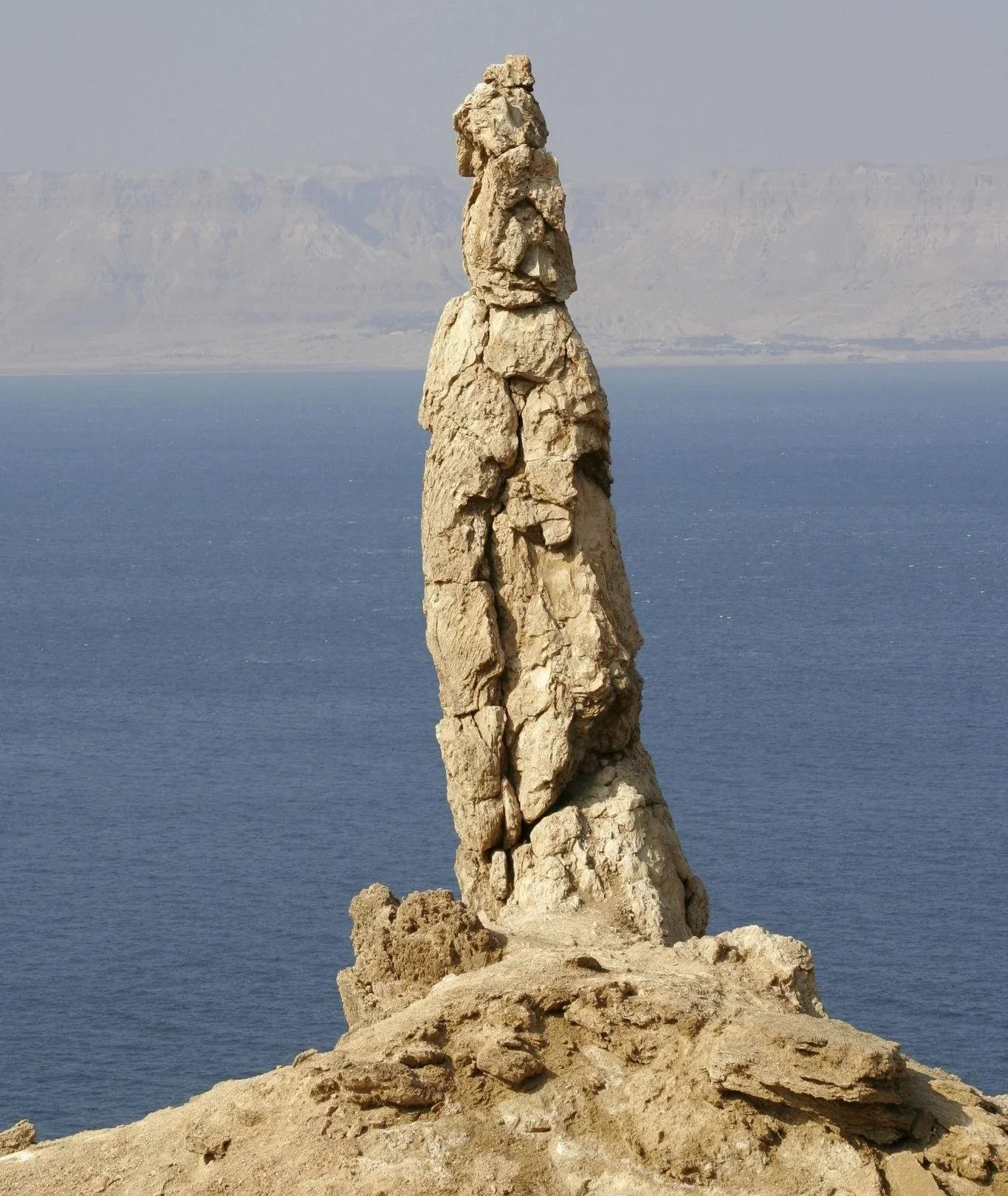
The story of Sodom and Gomorrah stands out as one of the most poignant accounts in the Bible. In Genesis 19, we learn about cities consumed by wickedness and ultimately facing divine judgment through a devastating event characterized by “fire and brimstone” falling from the sky. The aftermath is just as striking, with thick smoke billowing up “like smoke from a furnace.” A particularly chilling aspect of this tale is Lot’s wife, who disobeyed by looking back and was transformed into a pillar of salt. Today, near the Dead Sea, there’s a salt formation on Mount Sodom, commonly known as “Lot’s Wife,” serving as a powerful visual reminder that continues to evoke curiosity and contemplation. What Does Science Say?
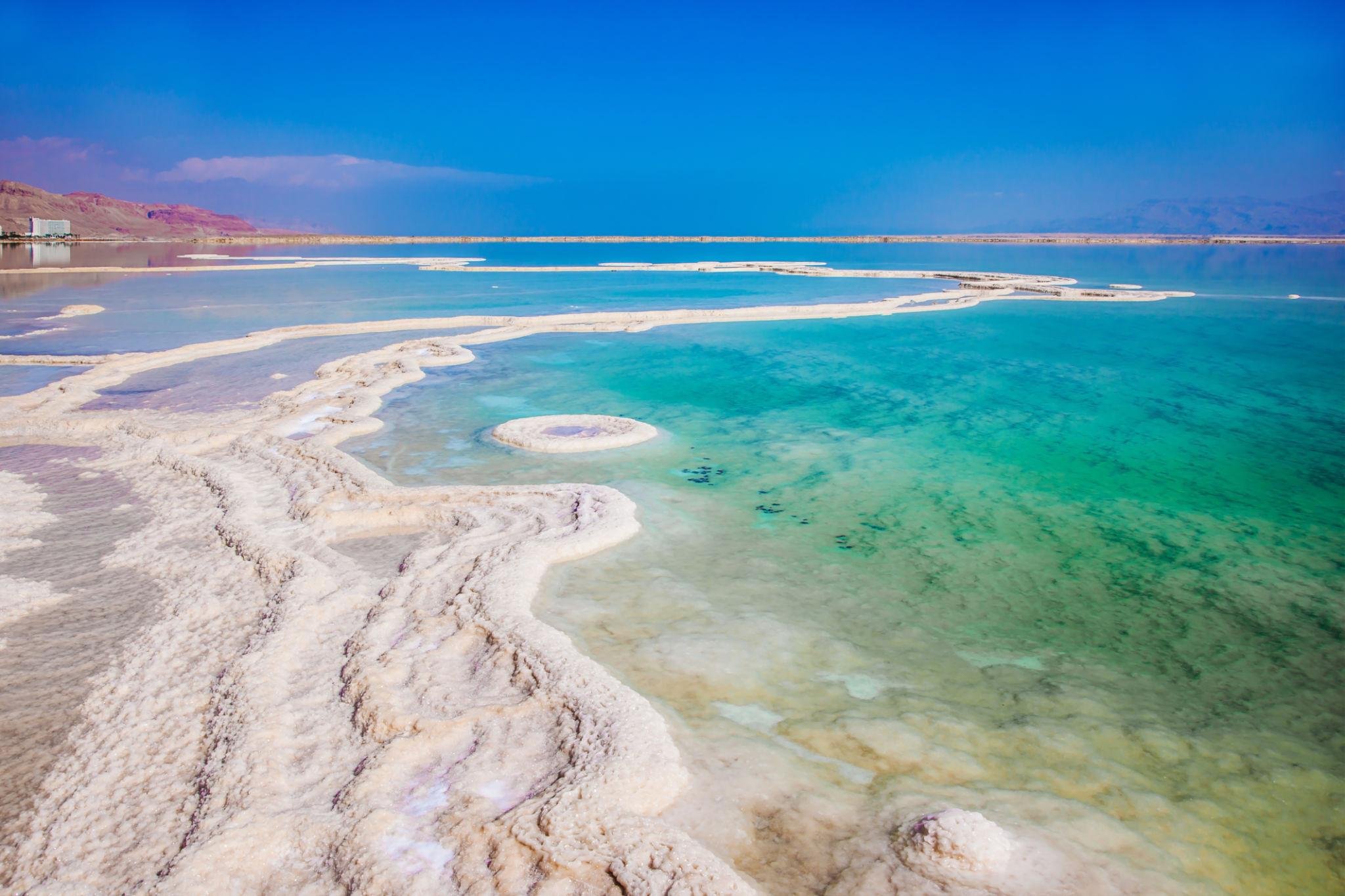
Contemporary geology has sought to clarify the events that may have taken place in that area thousands of years ago. The vicinity of the Dead Sea is recognized as one of the most seismically active zones globally, attributed to the Dead Sea Transform fault system.
1. Earthquake Theory
Some researchers propose that a colossal earthquake may have ravaged ancient cities in the area. This hypothesis is bolstered by the region's recognized seismic volatility, findings of abrupt destruction layers at adjacent archaeological locations, and the potential for secondary calamities such as landslides or flooding. Nevertheless, this explanation does not entirely account for the biblical descriptions of fire descending from the heavens.
2. Fire and Brimstone: A Geological Trigger
A more captivating explanation, which aligns closely with the biblical account, is that the destruction was caused by a geological chain reaction. Experts propose that a significant earthquake initiated the release of underground bitumen, petroleum, and natural gas deposits typical of the Dead Sea area. Once these highly combustible materials were released, they could have been ignited by friction, sparks, or lightning, leading to a devastating firestorm. This scenario would result in: fire seemingly descending from the heavens, explosive eruptions of ignited debris, dense, ascending smoke akin to that of a furnace, and widespread, abrupt devastation. From a human viewpoint, this would resemble precisely what Genesis 19 depicts.
3. Volcanic Possibilities
Some have suggested volcanic activity as the cause, especially given the description of smoke and fire. While there is limited volcanic evidence near the Dead Sea itself, nearby regions, such as parts of ancient Syria, do show signs of volcanic activity within a relevant historical timeframe.
Still, the lack of direct volcanic evidence near the traditional location of Sodom and Gomorrah makes this theory less widely accepted.
Archaeological Clues and Real-World Parallels
Locations such as Tall el-Hammam have uncovered signs of rapid and severe destruction from the Bronze Age: melted ceramics and construction materials, high-temperature burn strata, and abrupt desertion of the site. Certain scholars have suggested that an airburst event (akin to a meteor explosion) might have generated intense heat and shockwaves. Although this is a topic of discussion, these discoveries support one crucial notion: an extraordinary and disastrous event took place.
When Earthly Events Reflect Divine Reality
The Bible consistently illustrates how God operates through actual events in the world. Natural occurrences and divine intentions are not separate; they frequently overlap. This pattern is evident throughout Scripture: The flood during Noah’s era involved genuine water and weather conditions. The plagues in Egypt produced concrete physical consequences. The crossing of the Red Sea required precise timing, wind, and divine action. Sodom and Gomorrah also align with this concept: a genuine event, in a real location, holding a more profound spiritual significance.
Conclusion: A Geological Event with Eternal Implications
After analyzing the biblical narrative in conjunction with geological and archaeological findings, I have concluded that a significant geological event took place, most likely a powerful earthquake that led to the release and ignition of underground gases, petroleum, and bitumen, resulting in a catastrophic firestorm. This does not undermine the authority of Scripture; rather, it strengthens it. The people of that era described what they witnessed using the language available to them: fire from heaven, brimstone, and smoke ascending like a furnace. In contemporary terms, we might refer to the same occurrence as seismic activity, gas ignition, and atmospheric combustion. Different terminology, yet the same reality. And this is where it becomes crucial: Earthly events continue to align with the truths presented in the Bible. Archaeological discoveries reveal cities once believed to be lost. Geological research demonstrates how such devastation could happen. History consistently supports the notion that Scripture is not separate from reality; it is profoundly intertwined with it. Sodom and Gomorrah serve as a reminder that God’s Word conveys truth across generations. Real events can possess eternal significance. And what was documented thousands of years ago still corresponds with our current discoveries. The earth itself narrates a story, and when it does, it frequently resonates with the very words of Scripture.